
Start with the decisions your reporting needs to support
Event performance cannot be explained by badge scans or meeting counts alone. Event marketers need to connect activity with the audiences reached, the quality of interactions, the follow up completed, and the business outcomes that emerge over time.
Event reporting should show whether the event reached the intended audience, created meaningful interactions, and generated actions that move relationships and opportunities forward. Choose measures before the event and define what each one means. Consistency matters more than a long dashboard.
Four layers of event measurement
01
Coverage
02
Engagement
03
Execution
04
Business outcomes
Define attribution carefully
Sourced pipeline
Influenced pipeline
Document the lookback window, eligible touchpoints, and how duplicates are handled. Report leading indicators alongside longer term results, and avoid claiming causation the data cannot support. The CRM stays the reference point for opportunity stage and value.
Build a useful post event scorecard
| Measure | What goes in it |
|---|---|
| Event investment | Total costs, including space, travel, staffing, and production. |
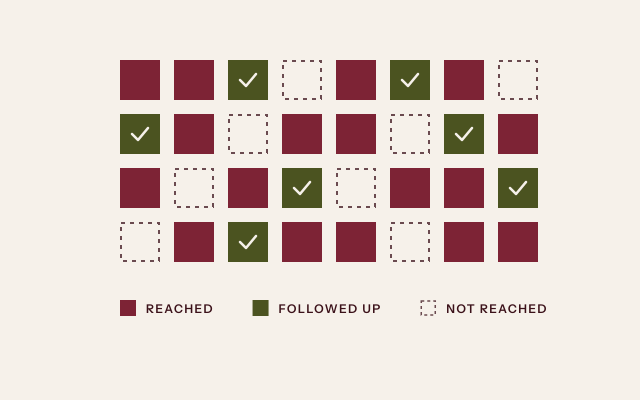
| Account coverage | Priority accounts targeted, reached, and not reached. |
| Interactions | Meetings requested, confirmed, and held, plus meaningful walk ins. |
| Follow through | Notes completed, actions assigned, and follow ups completed within the agreed timeframe. |
| Pipeline | Sourced and influenced opportunities, reported separately with clear definitions. |
| Learning | What to repeat, change, or stop at the next event. |
A practical reporting cadence
Within 48 hours
Confirm meeting outcomes and assign follow ups.Within two weeks
Report account coverage, engagement, and action completion.At 30, 60, or 90 days
Review opportunity progression where sales cycles justify it. Hold off on claiming closed revenue before it is realized.
Make the story useful
Pair numbers with context. Name the accounts that moved forward, where executive participation mattered, which meeting formats worked best, and what should change next time. The strongest event report helps leadership make better investment decisions.