
Why event meetings are different
Trade show meeting management is more than booking a time slot. It means matching the right people with the right accounts, coordinating limited meeting space, managing schedule changes, and making sure each conversation leads to a useful next step.
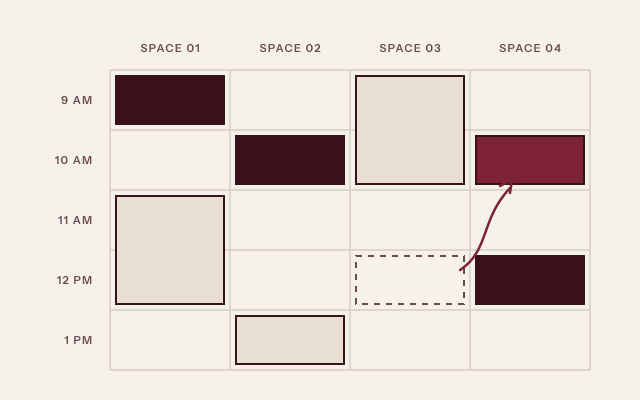
Event meetings compete for limited time, shared spaces, and people who are moving between sessions, booths, and customer conversations. Unlike a standard calendar appointment, one change may affect an executive, a room, an account team, and an onsite host. A strong meeting process manages the entire lifecycle, not just the invitations.
A five step meeting workflow
Set meeting priorities
Identify target accounts, relationship goals, executive involvement, and meeting owners.Build a shared availability plan
Confirm attendee schedules, travel windows, meeting spaces, and coverage responsibilities.Centralize requests and confirmations
Record participants, account context, location, purpose, and status in one place.Prepare for onsite changes
Define who can approve changes, how updates are communicated, and how walk ins are handled.Capture outcomes
Record notes, next steps, ownership, and follow up deadlines while the context is fresh.
Before the event. Build a reliable foundation
Set objectives
Decide which accounts, prospects, partners, and relationships matter most, and which meetings deserve priority.
Create a shared availability view
Include travel windows, session commitments, room capacity, and executive constraints.
Define meeting ownership
Assign who requests, approves, hosts, updates, and closes out each meeting.
Standardize the record
Capture account, participants, purpose, location, owner, and expected next step.
Confirm details clearly
Give participants one reliable source for current time, location, and any preparation required.
During the event. Manage change without chaos
- Make updates in the shared schedule rather than in separate email or chat threads.
- Use a clear process for walk in requests and last minute availability. Check both the people and the space before confirming.
- Assign a person to monitor schedule conflicts and unresolved requests, especially during peak hours.
- Keep hosts informed of meeting purpose and account context so they arrive prepared.
- Record what actually happened. Held, rescheduled, canceled, or no show.
After the event. Close the loop
- Ask meeting owners to record concise notes, outcomes, next steps, and follow up owners while conversations are fresh.
- Review the gap between meetings requested, booked, and held. Look for unmet target account coverage and recurring scheduling problems.
- Connect meeting records to your CRM where appropriate so the event team and revenue teams share a consistent picture.
A simple meeting health scorecard
Track these seven measures. Together they show both operational quality and business value.
Requests received
Confirmed meetings
Meetings held
No shows
Meeting changes
Target accounts engaged
Follow ups assigned